


Types of prosthesis
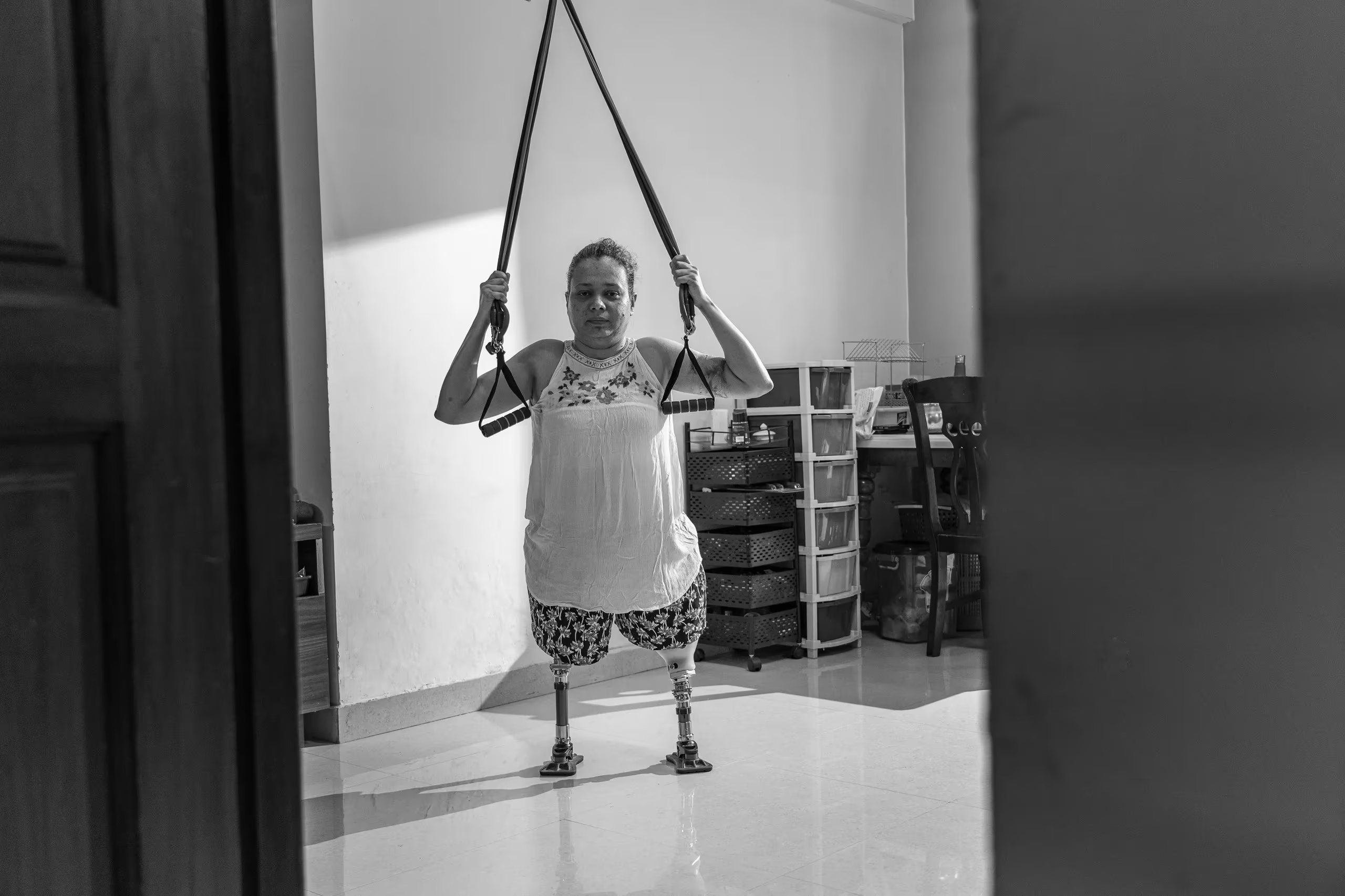
There is not one best prosthesis.
That is the most important thing to understand before you start comparing options.
The right device is not the most expensive one, or the most technologically advanced one. It is the one that fits your body, suits your daily life, and supports the goals you actually have.
Here is how to think about the three main categories, and how to figure out which one is right for you.
The Types of Prosthetic Limbs
Prosthetic limbs are broadly categorised into two groups: lower limb and upper limb. Within each, there are different types of devices designed for different stages of recovery and different goals. Here are some of the types of lower limb prostheses.
A. Temporary / Interim Prosthesis
A temporary prosthesis is used during the early stages of rehabilitation, before the residual limb has fully healed and stabilised. The most common example is the IPOP (Immediate Post-Operative Prosthesis), which can be fitted as early as 48 to 72 hours after surgery.
Its purpose is not to replicate normal walking. It is to get the body moving early, prevent stiffness, reduce swelling, and prepare the limb for a definitive device later on.
B. Basic Functional Prosthesis
A basic functional prosthesis is designed to restore normal walking on level surfaces. For many amputees, this is the most suitable everyday device.
It is lighter, easier to maintain, and comfortable to wear for long periods. If your daily life does not involve high-impact or high-intensity activity, a well-fitted functional prosthesis will serve you well.
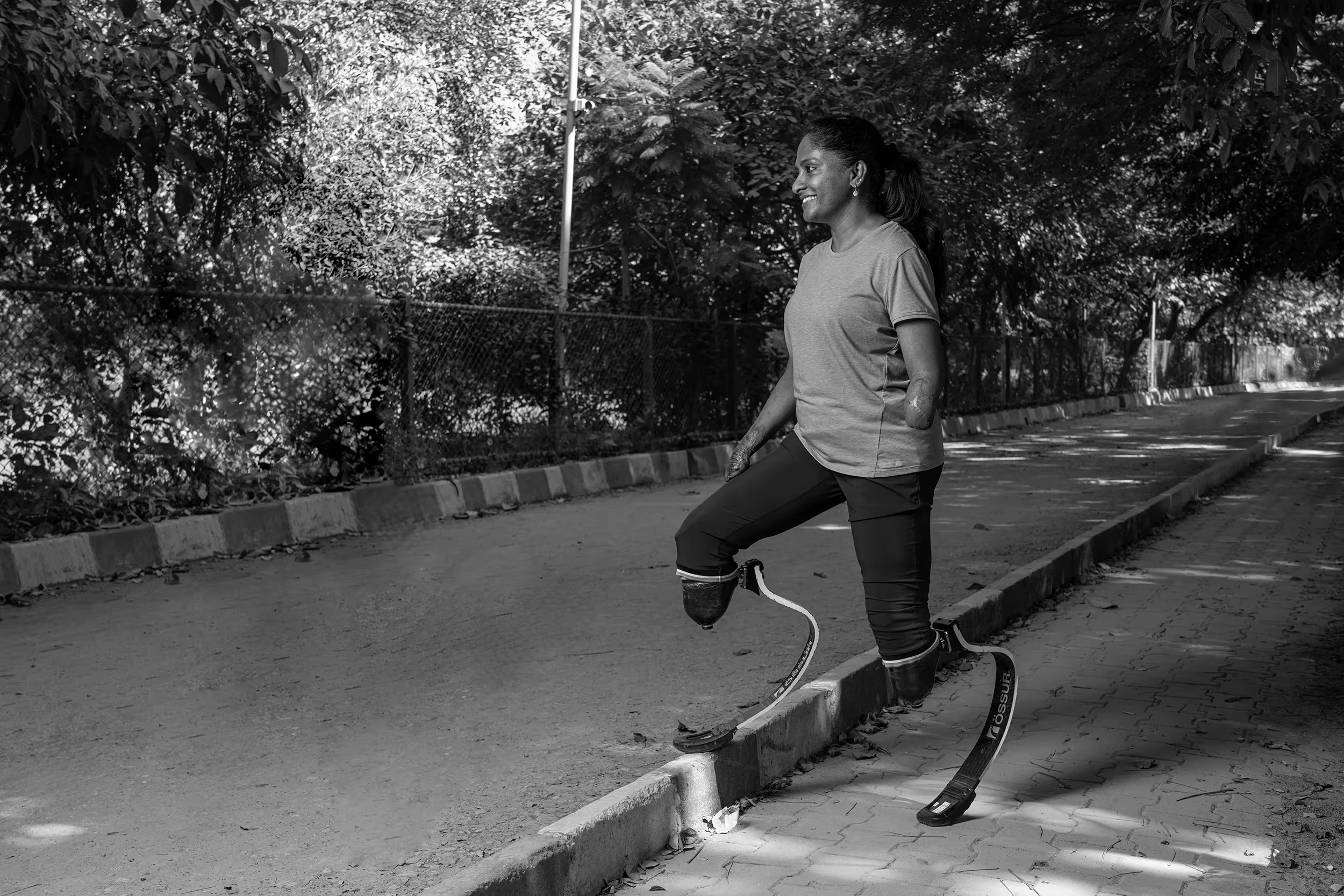
C. Activity-Specific Prosthesis
An activity-specific prosthesis is designed for a particular sport or physical activity: running, swimming, cycling, or contact sport. These devices are built for the load, speed, and movement patterns that a standard prosthesis is not designed to handle.
The most recognisable example is the carbon-fibre running blade, which stores and releases energy in a way that supports a running gait. Activity-specific devices are generally used alongside a functional prosthesis, not instead of one.
D. Definitive Prosthesis
A definitive prosthesis is your long-term, everyday device. It is fitted once the residual limb has healed and stabilised, typically around three months after surgery.
It is designed for sustained daily use: walking, working, driving, managing stairs, and getting back to the activities that matter in your life. The fit, components, and design are all chosen based on your specific anatomy, lifestyle, and goals.
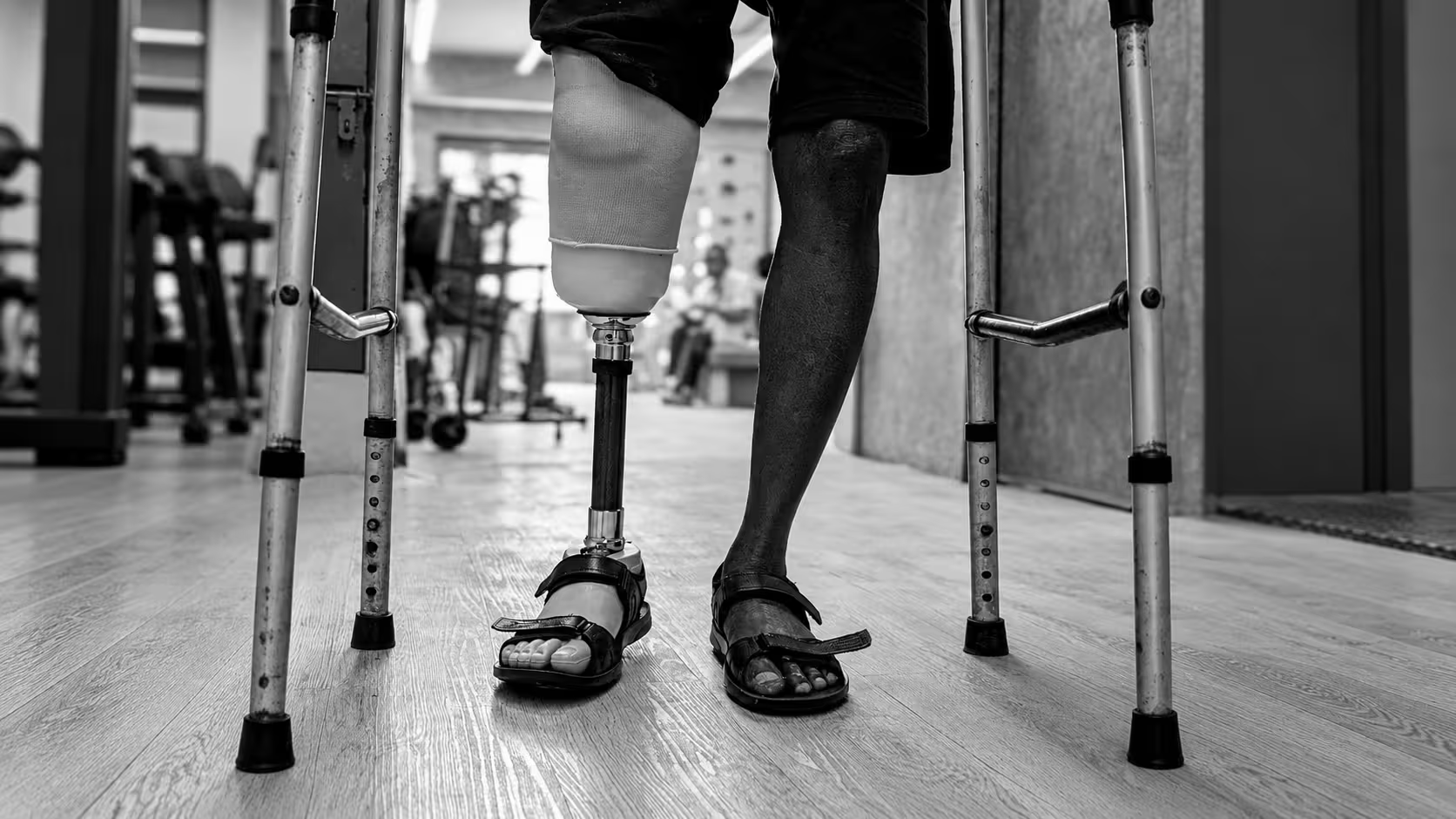
E. Bionic Prosthesis
A bionic lower limb prosthesis uses sensors and microprocessors to provide active, adaptive movement. These devices adjust in real time to changes in terrain, walking speed, and activity.
They offer a significantly higher level of function than standard devices, particularly on uneven ground, slopes, and stairs. They require charging, more maintenance, and time to learn, but for the right candidate they can meaningfully improve quality of life and independence.
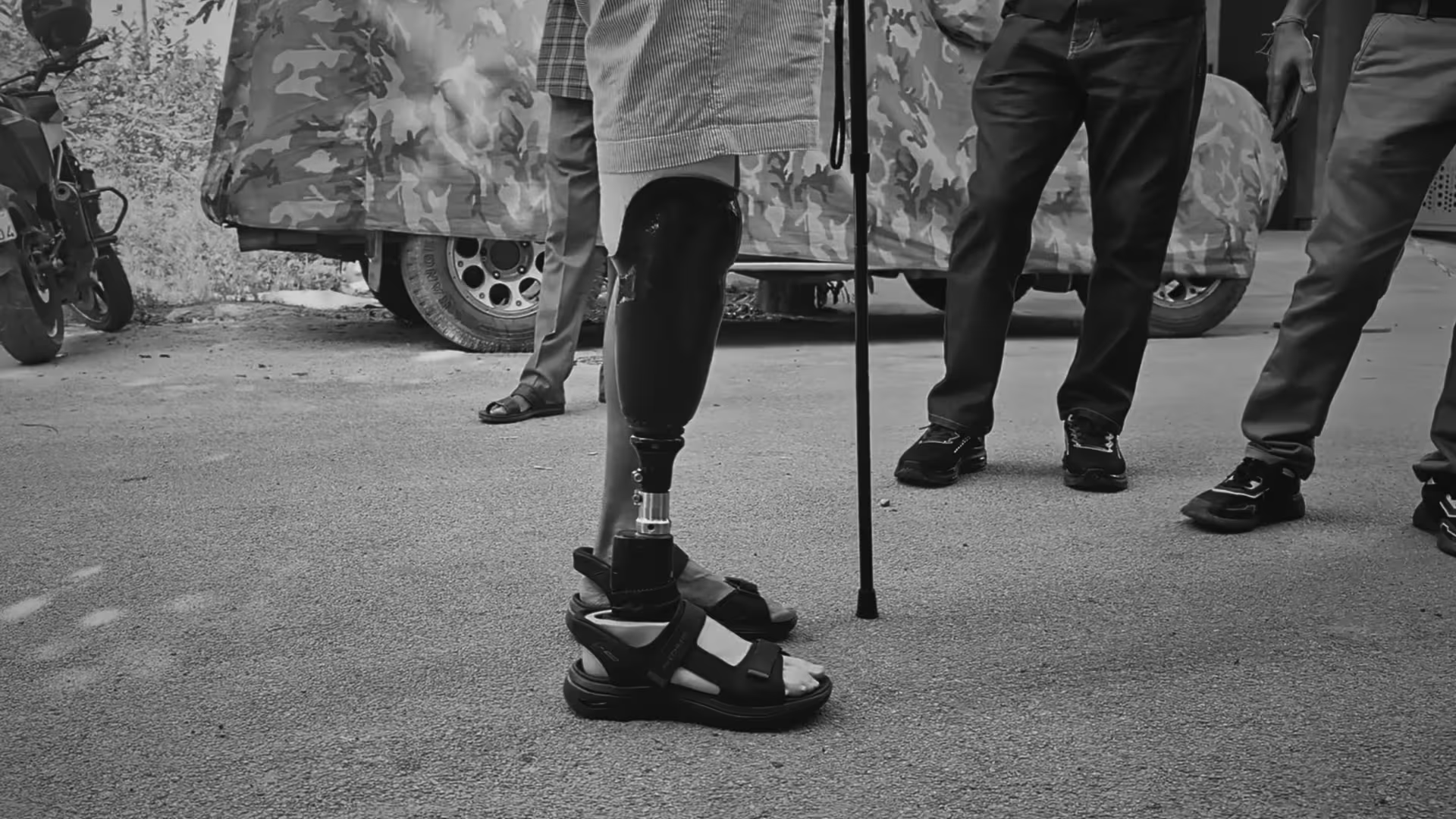
What to Prioritise When Choosing a Device
Fit above everything
The most advanced prosthesis performs poorly if it does not fit well.
Fit determines comfort, which determines how long you can wear it, which determines how useful it actually is. A precisely fitted basic device will outperform a poorly fitted bionic one, every time.
At Rise Bionics, every device is custom-made using 3D scanning and digital fabrication for a precise fit.
Your actual daily activities
Think about what you do on a typical day, not what you would like to do occasionally.
Walking to work, cooking, taking care of children, and sitting at a desk shapes the choice very differently than training for marathons.
Rehabilitation support
Your prosthesis is only as useful as the rehabilitation programme around it.
How you learn to use the device, building strength, developing gait, practising grip patterns, determines your outcome more than the device category itself.
Make sure any provider you work with includes structured rehabilitation, not just fitting.
Follow-up access
Limbs change. Weight fluctuates, the residual limb reshapes over time, and activity levels shift. A device that fits well at three months may need adjustment at six. Make sure your prosthetist is available for that, not just for the initial fitting.
What the Research Says
Choosing the right prosthesis based on individual lifestyle and rehabilitation goals leads to significantly better outcomes than selecting based on technology alone.
The Amputee Coalition outlines what to consider when evaluating prosthetic options, including the role of rehabilitation in long-term success.
A study published in Prosthetics and Orthotics International found that patient-centred device selection, combined with structured rehabilitation, consistently produced better functional outcomes than device type alone.
Our Approach at Rise Bionics
Every first assessment at Rise Bionics includes a detailed conversation about your goals, your daily routine, your work, and what you want to get back to.
From there, we make a recommendation: what this device will allow you to do, what it will not, and what to expect in the weeks and months ahead.
Book your assessment at Rise Bionics →
Frequently Asked Questions
Is a bionic prosthesis always better than a basic one?
No. A bionic prosthesis offers more capability in specific areas, but whether that translates into daily benefit depends entirely on your needs. For many amputees, a well-fitted functional device offers better comfort, lower maintenance, and more practical value.
Can I have more than one type of prosthesis?
Yes, and for many active patients this is common. A functional device for daily use and a sports-specific prosthesis for training or recreation is a practical combination. Your clinical team can advise on timing.
Will I be able to continue driving?
Many lower limb amputees return to driving, either with their existing vehicle or with minor modifications depending on which limb is affected. Upper limb amputees can also return to driving with the right adaptations. Your clinical team and an occupational therapist can advise based on your specific situation.
Can I write with a prosthetic hand? Will I be able to open a bottle cap?
Yes. With a functional or myoelectric prosthetic hand, many upper limb amputees return to writing. Managing small grip tasks like opening a bottle cap, turning a key, or picking up coins is part of what we work on during upper limb rehabilitation. Some grip patterns come more naturally than others, and the right device makes a real difference.
Can I dress and undress using a prosthetic hand?
Yes. Dressing independently is one of the first practical goals in upper limb rehabilitation. It takes time and the right technique, but most patients reach this milestone within the rehabilitation programme.
Can I wear my prosthesis in the shower?
Standard prostheses are not designed for water exposure. For most patients, the prosthesis is removed before showering. Waterproof prosthetic options are available for those who need them. If this is important to you, raise it at your assessment so the right device can be planned for.
Can I swim with a prosthesis?
With a standard device, no. With a waterproof or activity-specific prosthesis, yes. Many amputees return to swimming, either with a specialist device or without their prosthesis depending on the type of amputation. Get in touch to discuss your options →
How much weight can I carry with a prosthesis?
This depends on the type of device and the level of amputation. Lower limb prostheses are designed to bear full body weight. Upper limb prostheses have weight-bearing limits that vary by device and component. Your prosthetist will advise on safe limits for your specific device.
Will I be able to return to sport and working out?
For most amputees, yes, with the right device and rehabilitation support. We have supported patients returning to running, working out, and competitive athletics. Read about our patients' journeys →
How do I know which prosthesis is right for me?
Start with an assessment. A clinical evaluation of your residual limb, your muscle activity, your lifestyle, and your goals is the only reliable starting point. Everything else, device type, component selection, and timeline, follows from that. Book your assessment at Rise Bionics →

