


How soon after amputation can I get a prosthetic limb?
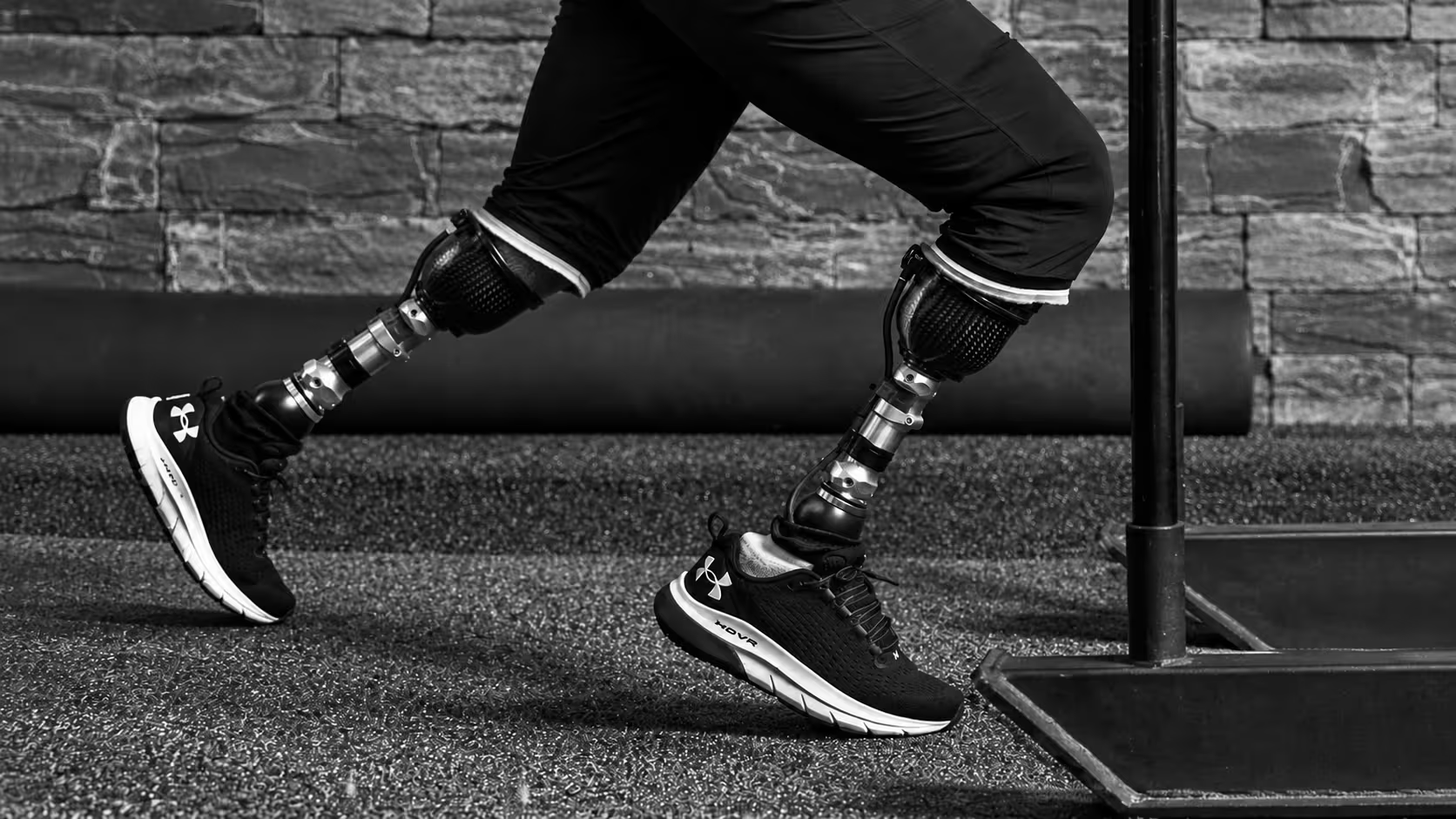
If you or someone you care for has recently had an amputation, one of the first questions is usually: how soon can we get a prosthesis?
The honest answer is: sooner than most people expect. In some cases, within 48 to 72 hours of surgery. In others, around three months.
What determines the timeline is not one factor. It is a combination of your wound, your overall health, and which type of device you are being fitted for.
Here is what you need to know.
There Are Two Types of Prosthetic Devices, and They Work at Different Stages
Most people do not know that prosthetic fitting does not start with a single device. It starts with a choice between two: a temporary prosthesis and a definitive prosthesis. Each has a different purpose, and each suits a different stage of recovery.
The Temporary Prosthesis (IPOP): Starting Within Days of Surgery
IPOP stands for Immediate Post-Operative Prosthesis.
As the name suggests, this device can be fitted as early as 48 to 72 hours after surgery.
An IPOP is fitted early to aid recovery before the residual limb fully heals. It helps prevent stiffness, reduces swelling, and helps shape the stump for a better prosthetic fit later.
It is suitable for patients who are otherwise healthy, with a clean surgical wound and a below or above knee amputation.
It is not recommended for patients with infected or open wounds, diabetes-related healing complications, or significant pain at the residual limb.
What the research says
Early prosthetic intervention is well-supported in clinical literature.
Studies consistently show that patients who are able to receive prosthetic fitting sooner after amputation, particularly those who use an IPOP, tend to have better long-term outcomes.
This includes reduced phantom limb pain and improved functional mobility. The Amputee Coalition provides evidence-based guidance on prosthetic rehabilitation timelines and what to expect at each stage.
How do IPOPs help?
Preventing contractures
When a limb is not being used after surgery, the muscles and joints around it can begin to tighten and stiffen. Over time, this tightness can lead to contractures, leading to lack of movement in the joint. This can slow down the entire rehabilitation process and affect prosthetic fit.
The IPOP prevents this by introducing gentle, supported weight-bearing from the very start of recovery.
Reducing phantom limb pain
Phantom limb pain is a common experience after amputation, where the brain continues to register sensation from a limb that is no longer there. It is real, and it can be distressing.
Early weight-bearing through the IPOP sends physical signals to the nervous system that help the brain begin to adjust.
This, combined with mirror therapy and graded exercises, is one of the most effective ways to reduce phantom limb pain in the early stages of recovery.
Shaping the residual limb
It also helps shape the residual limb. A well-shaped stump leads to a better-fitting definitive prosthesis, and a better fit means better outcomes over time.
Aiding recovery and weight-bearing
After surgery, the limb is swollen. The standard approach to managing this is limb elevation and crepe bandaging.
The IPOP replaces standard bandaging with structured compressive forces from all directions onto the limb. This helps shape the stump.
Weight-bearing is introduced gradually and increased week on week, always in line with what the patient can comfortably tolerate.
Is the IPOP the same as a regular walking prosthesis?
No. During this stage, activity is limited to indoor movement. The IPOP is a recovery tool, not a regular walking prosthesis. Heading out for a walk in the neighbourhood comes later.
Can everyone use an IPOP?
Not everyone is a suitable candidate. Older patients, those with vascular conditions, or patients with complications that affect wound healing may not be recommended for an IPOP. Your prosthetist will assess this before making any recommendation.
The Definitive Prosthesis
The definitive prosthesis is your long-term device. It is fitted once your residual limb has healed and stabilised, typically around two to four months after surgery.
Getting back to life
A well-fitted definitive prosthesis allows you to return to daily activities: walking, working, cooking, driving, climbing stairs, managing slopes, and more.
For many patients, it goes well beyond the basics. Depending on the level of amputation and the type of device, people return to jogging, running, swimming, farming, sport, and athletics.
For upper limb amputees, the focus is on function: holding a pen, lifting a glass of water, managing different grip patterns with your fingers, and returning to the tasks that matter in daily life.
Rehabilitation supports your recovery
Once you move to a definitive prosthesis, you do not just put it on and walk.
There is a structured rehabilitation process: learning to trust the device, building strength, and adjusting to different surfaces and situations.
The timeline varies, particularly between lower limb and upper limb patients. The healing process and rehabilitation journey look different depending on where the amputation is.
According to Prosthetics and Orthotics International, structured rehabilitation significantly improves long-term functional outcomes for amputees, regardless of the level of amputation.
What Can Delay Your Prosthetic Fitting
Recovery does not always follow a straight line. Several factors can extend your timeline:
- Infected wounds: An active infection means fitting cannot proceed until it is resolved
- Poorly healed sutures: If the wound closure is not stable, the stump cannot safely bear the pressure of a device
- Open wounds: The residual limb needs to be fully closed before fitting begins
- Significant pain in the residual limb: Chronic pain at the stump is a cause for concern and should be addressed with a doctor immediately.
A Common Misconception
Fitting of a prosthesis is the beginning of a process, not the end of one.
You build up usage gradually. You do not go from your first fitting to eight hours of walking in a day.
Expecting that sets people up for frustration. The goal is sustainable progress, not speed.
Our Process at Rise Bionics
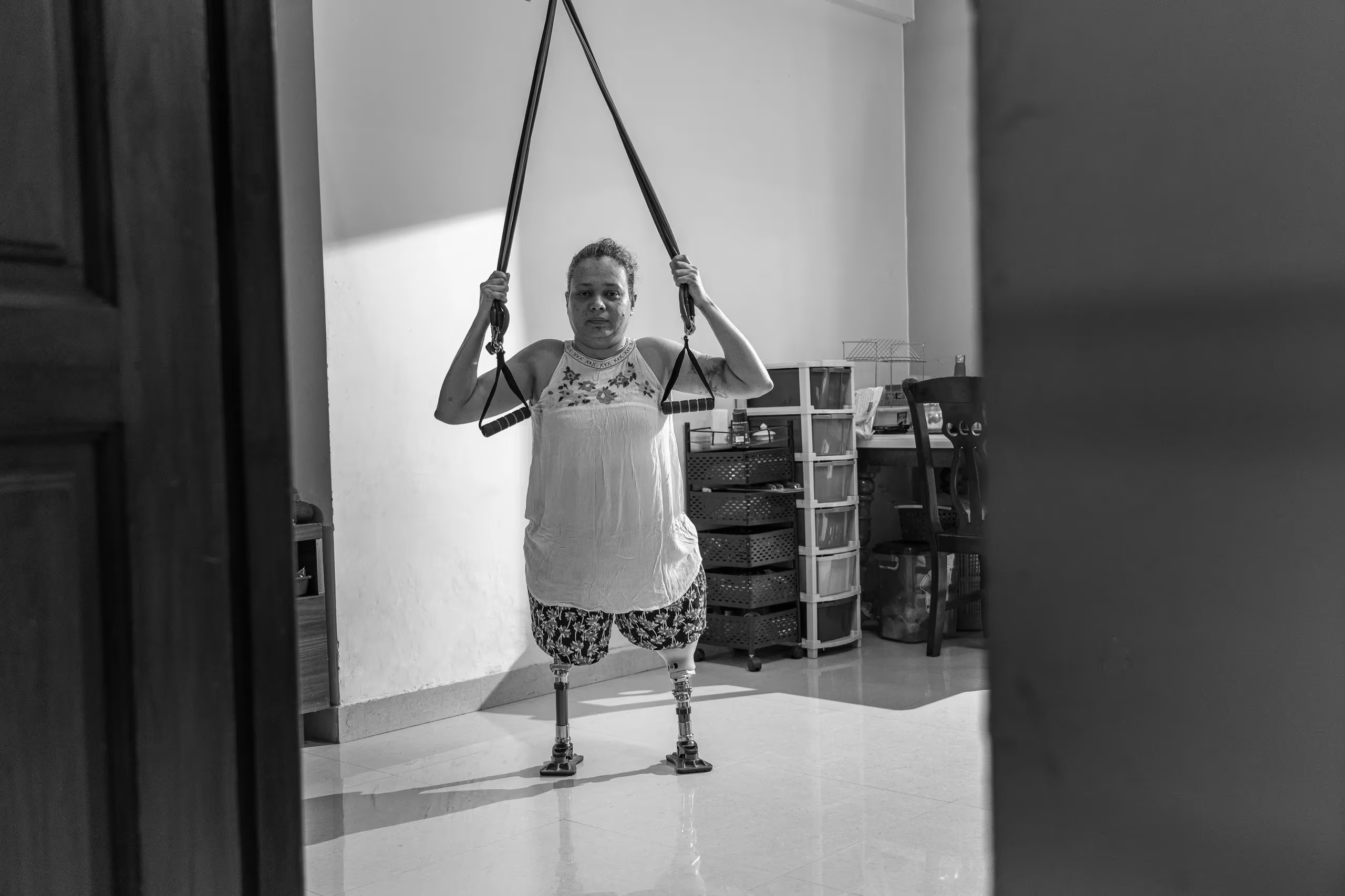
At Rise Bionics, the fitting process for a definitive prosthesis is built around your specific anatomy. We use 3D scanning and digital fabrication to craft fully custom devices with precision.
Every device configuration is unique and we make those decisions with you.
The Rise Bionics First Steps Program
First Steps is an online rehab program for recent amputees and their caregivers, designed to support recovery through movement, wellbeing, and expert guidance.
Explore the First Steps program →
Frequently Asked Questions
What kind of prosthetic devices can I get after amputation?
There are two main categories: temporary devices like the IPOP, which support early recovery, and definitive prostheses, which are fitted once your limb has healed. Within definitive prosthetics, options range from basic functional devices to myoelectric arms or bionic legs and activity-specific prostheses. The right device depends on your amputation level, lifestyle, and goals. Not on what is most advanced or most expensive. Learn more about our prosthetic devices →
Where can I get a prosthetic limb fitted in Bangalore?
Rise Bionics is based in Bangalore and and makes custom assistive devices for patients across India and the world. Our clinical team handles everything from initial assessment through to fitting, rehabilitation support, and long-term follow-up. Get in touch with our team →
How do I shape my residual limb to get a better prosthetic fit?
Stump shaping starts early, often as part of your post-operative care, using compression bandaging and, where appropriate, an IPOP. Consistent bandaging technique matters. We have put together a series of stump bandaging videos to walk you through the process at home. Watch our stump bandaging videos →
How do I manage phantom limb pain?
Phantom limb pain is common and real. It is not imaginary, and it is not something you simply push through. Mirror therapy and early weight-bearing through a temporary prosthesis are among the most effective ways to reduce it. Movement and graded exercise also play a significant role. Watch our exercise videos →
Can I get back to my normal life after amputation?
Yes, and that is not just reassurance. It is the clinical reality for the majority of amputees who receive the right device and the right rehabilitation support. What normal life looks like will vary. For some people, it means walking to the shops or climbing a flight of stairs. For others, it means returning to farming, swimming, running, or competitive sport. All of it is possible. The timeline is individual, but the direction is always forward. Read about our patients' journeys →
Can I walk barefoot inside my home or in temples with my prosthetic foot?
It’s always recommended to use footwear so alignment of the device doesn’t change. Using supportive footwear can also prevent slips and falls. Some prosthetic feet can be modified to be used for walking a few short distances without shoes. If this is a requirement for you, our prosthetists will be happy to help you. Our customers have been able to go to temples barefoot.

