


How to Support Someone Emotionally After Amputation
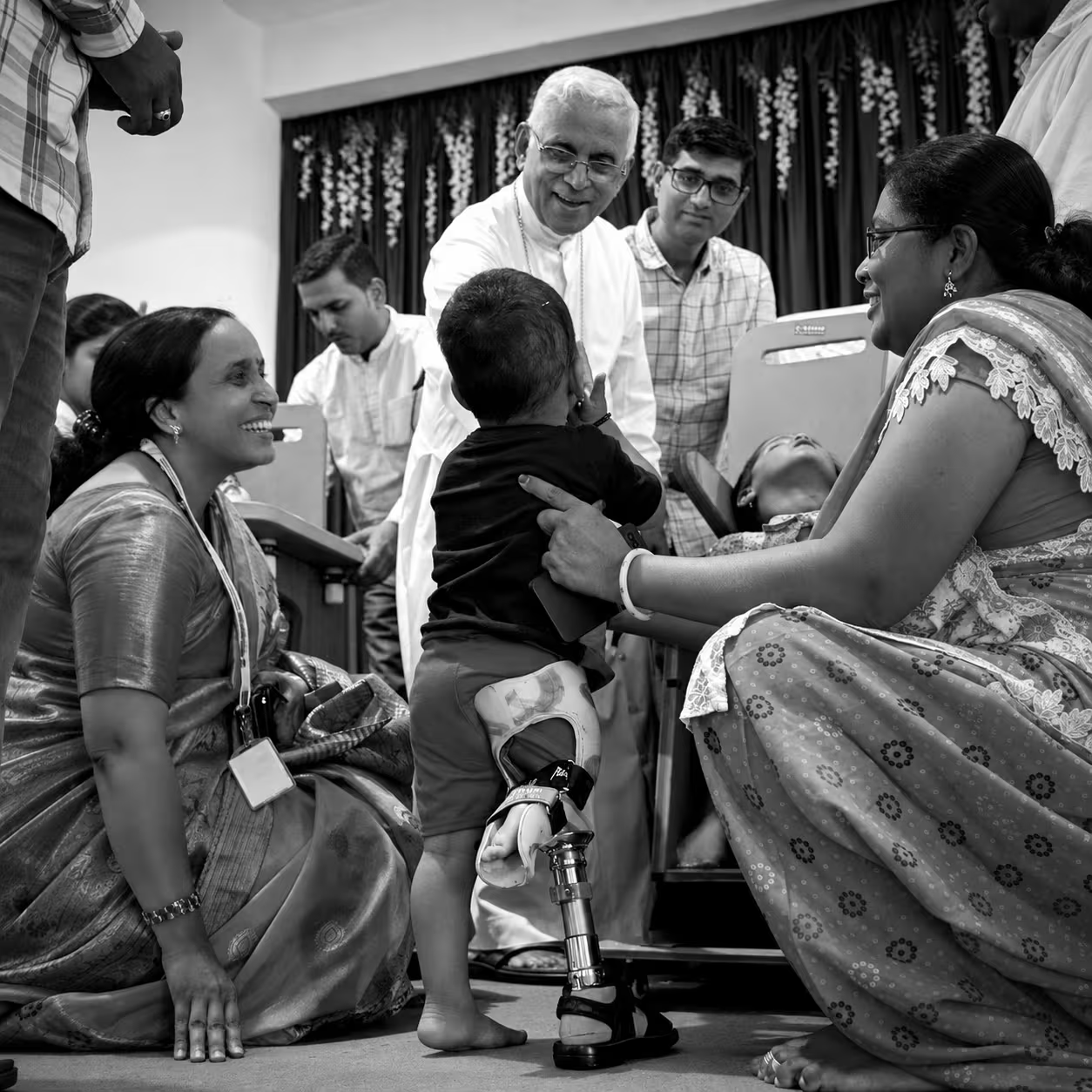
When someone you love loses a limb, the instinct is to do everything you can. To be there constantly. To fix what feels broken.
That instinct comes from a good place. But emotional support after amputation is less about doing more, and more about doing the right things at the right time.
Here is what that actually looks like.
What the Person You Are Caring for Is Going Through
There is no single emotional response to limb loss. Some people feel grief. Some feel anger. Some feel relief, especially if the amputation followed a long period of illness or pain. Many feel a combination of all of these, in no predictable order.
What is consistent is that it takes time, and it does not follow a straight line. A good week is not always followed by another good week. A setback does not mean recovery has stopped.
Knowing this helps you stay steady, even on the harder days.
According to the Amputee Coalition, emotional recovery after limb loss is a gradual process that looks different for every person. Having realistic expectations from the start makes a real difference, for both of you.
What Actually Helps
Be present without taking over
There is a difference between being there and being in the way. In the early weeks, the most valuable thing you can offer is simply being present. Sitting with someone. Being available.
You do not need to have the right thing to say. Sitting quietly with someone who is in pain is harder than filling the silence, but it is usually more useful.
Ask before you help
Before stepping in, ask. "Would you like help with that, or do you want to try?" gives the person a choice at a time when so much feels out of their control.
Sometimes the answer will be yes. Sometimes it will be no. Both are the right answer.
The goal of rehabilitation is independence. Every time you do something for someone that they could do themselves, slowly and imperfectly, you take away a practice opportunity. Help when you are asked. Step back when you are not.
Notice the small things
Recovery is built from small wins. Standing for 30 seconds. Taking three steps. Putting on a sock. These things matter, and they deserve to be noticed.
Specific recognition lands better than general encouragement. "You just did that without holding on" means more than "that is amazing." It tells the person you are watching, and that the small things count.
Follow their lead on talking
Some people want to talk about what they are feeling. Others do not, at least not yet. Neither is wrong.
Do not push someone to open up before they are ready. Do not avoid the topic if they want to talk. Make it clear you are available for both, and then let them choose.
What Does Not Help
Comparing them to other amputees. Hearing about someone who ran a marathon six months after losing a leg is not motivating. It sets a benchmark the person did not ask for.
Telling them how they should feel. Grief and gratitude can exist at the same time. A person does not have to choose between them.
Doing everything for them. This comes from care, but it can quietly communicate the opposite. Independence is built through practice. Let them practice.
Treating them as fragile. Normal conversation, everyday frustrations, and even humour are all appropriate. Treating someone as permanently delicate is its own kind of isolation.
Looking After Yourself
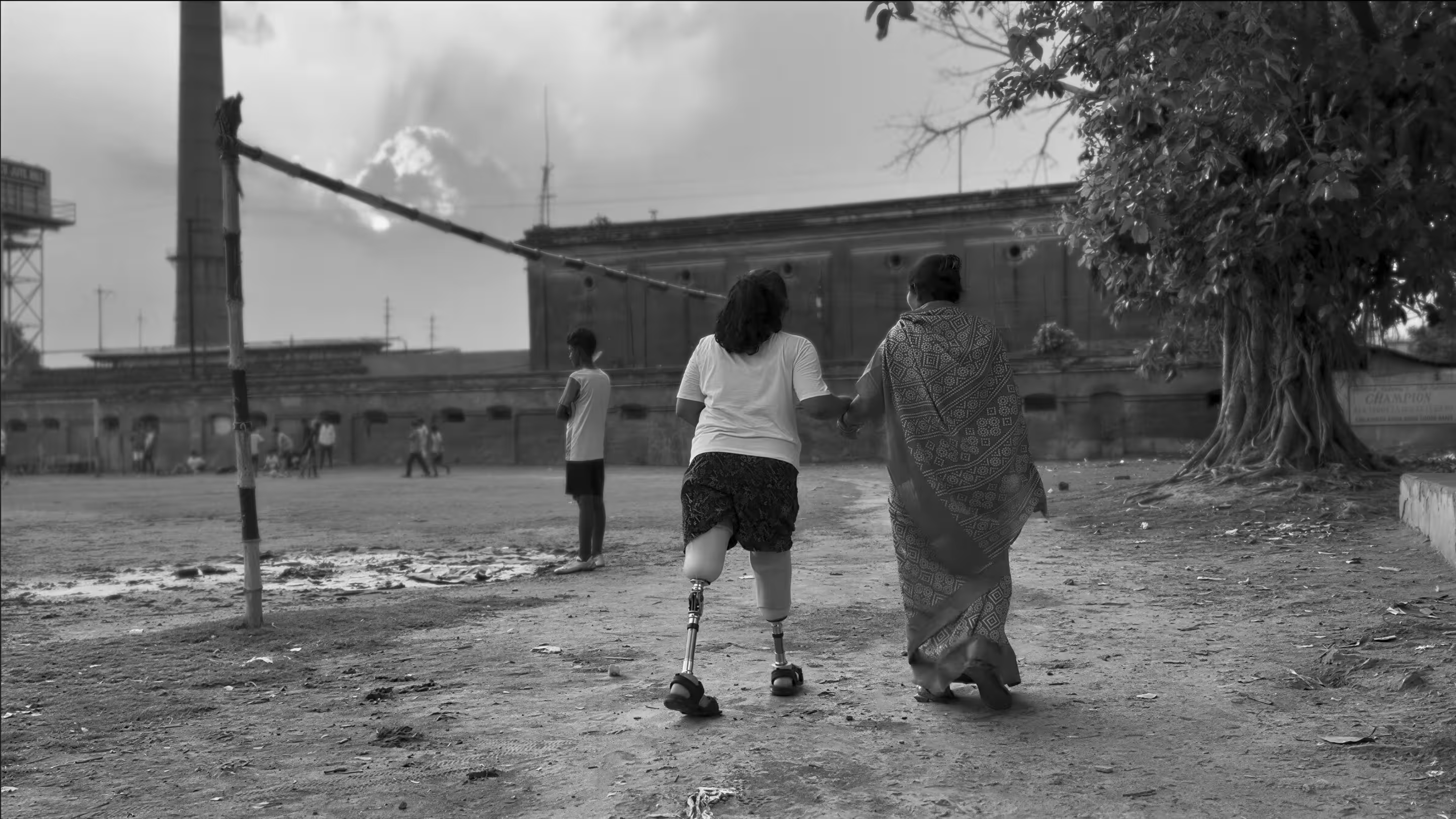
Caregiver burnout is real and it is common. The combination of emotional weight, practical demands, and reduced time for your own needs takes a toll that builds slowly and is easy to miss.
Signs to watch for in yourself:
- Exhaustion that does not improve with rest
- Feeling resentful, even toward someone you love
- Withdrawing from your own relationships or activities
- A sense that your own needs are permanently on hold
These are not signs of weakness. They are signs that you need support too.
Research published in Disability and Rehabilitation shows that caregivers of amputees experience significant emotional strain, particularly in the first year. Looking after yourself is not a luxury. It is part of doing this well.
Find someone to talk to. A friend, a counsellor, or a caregiver support group. Process your own feelings somewhere other than at the bedside of the person you are caring for. You cannot pour from an empty cup, and no one benefits from a depleted caregiver.
Our Approach at Rise Bionics
At Rise Bionics, we treat the caregiver as part of the care team. During our rehabilitation program, we involve caregivers in key conversations: what to expect at each stage, what to encourage, and when to step back.
First Steps is our online rehab program for recent amputees and their caregivers.
Learn More →
You are not expected to figure this out alone. If you have questions about supporting the person you care for, our team is here.
Get in touch with our team at Rise Bionics →
Frequently Asked Questions
How long does it take to emotionally adjust to limb loss?
There is no set timeline, and that is okay. Some people find their footing within a few months. For others it takes longer. What matters more than the timeline is having the right support around you. If you are not sure where to start, we can point you in the right direction. Get in touch with our team →
Should I encourage the person to see a counsellor?
If they seem to be struggling, yes, gently and without pressure. Frame it as something many people find helpful, not as a sign that something is wrong with them. Their primary care doctor can make a referral, and some rehabilitation programmes include psychological support as part of the process.
The person I care for seems to be doing fine. Should I be worried?
Not necessarily. People process significant events differently. Some people genuinely move forward without prolonged difficulty. The most useful thing you can do is stay available and observant, without projecting distress onto someone who may be managing well.
How do I handle anger directed at me?
With patience, and by not taking it personally where possible. Anger after amputation is common, and the people closest to the person are often the safest target for it. This does not mean accepting behaviour that is genuinely harmful. But it does mean understanding that the anger is usually about the situation, not about you.
Where can caregivers find support for themselves?
Start with your primary care doctor, who can refer you to counselling. Peer support groups, in person or online, connect caregivers with others in similar situations. You do not need to find a group that deals specifically with limb loss. General caregiver support addresses many of the same experiences.

