


Managing emergency situations as an amputee
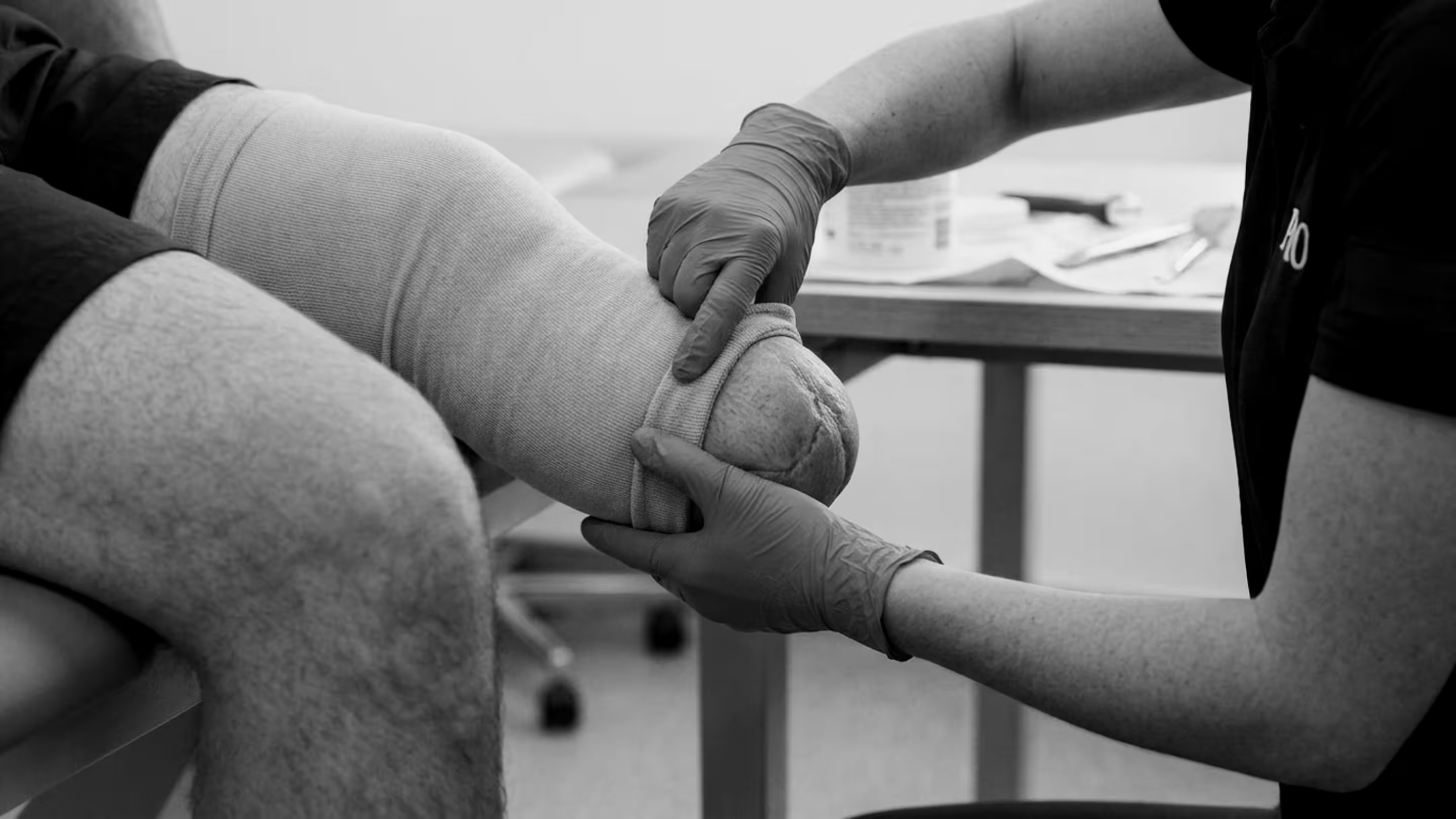
When you're caring for someone after an amputation, knowing what to do in an emergency can feel overwhelming. Most situations won't require a trip to the hospital. But some will, and knowing the difference matters.
This guide covers the six most common emergency situations caregivers face, and what to do in each one.
1. Falls
Falls are one of the most common concerns for new amputees, especially in the first few months of using a prosthetic limb. The instinct is to get back up as quickly as possible. But taking a few seconds to assess first can prevent further injury.
What to do:
- Pause and breathe. Don't panic or try to stand immediately.
- Check for bleeding or stump injury before moving.
- Call for help or reach for a stable walking aid or chair nearby.
- Once help is available, turn onto the stomach and get into a kneeling position.
- Bend the prosthetic knee and place weight on the prosthetic side as instructed by your clinical team.
- Place the sound foot on the floor.
- Use both hands on a stable surface to push up slowly.
These steps help protect the residual limb and reduce the risk of further injury. If there is bleeding, pain, or something feels wrong after the fall, do not attempt to stand. Call for medical help and keep the person still until help arrives.
2. Excessive Bleeding
Bleeding from the residual limb needs calm, quick action.
What to do:
- Apply clean gauze over the wound and press down firmly and steadily.
- Keep the limb elevated and as still as possible.
- Do not lift the gauze to check if it has stopped. Removing the gauze can restart the bleeding.
- If the bleeding soaks through, add more gauze on top without removing the first layer.
- Call for medical help if the bleeding does not slow within a few minutes, or immediately if it is heavy.
Stay calm and keep the person reassured while you wait for help. Panic increases heart rate, which can make bleeding worse.
3. Wound Opening
If the surgical wound or stitches appear to be opening, the priority is to keep the area clean and still.
What to do:
- Ask the person to stop moving the limb. Keep the limb elevated.
- Place clean gauze over the wound gently. Do not press hard.
- Do not touch the wound directly with your hands.
- Do not attempt to close the wound yourself or apply tape.
- Go to the nearest hospital as soon as possible.
An opening wound is not always an emergency in itself, but it does need medical assessment the same day. Do not wait to see if it closes on its own.
4. Breathing Difficulty
If the person you are caring for is having difficulty breathing, act quickly and stay calm.
What to do:
- Help them sit upright. Do not lay them flat.
- Clear the space around them so there is room and air circulation.
- Loosen any tight clothing around the chest or neck.
- Call 108 or 112 immediately. Do not wait to see if it passes.
- Stay with them and keep them as calm as possible until help arrives.
Breathing difficulty after surgery or a period of reduced mobility can sometimes indicate a pulmonary embolism, which is a blood clot in the lungs. This is a medical emergency. Always call for help rather than trying to manage it at home.
5. Signs of a Blood Clot
A blood clot, or deep vein thrombosis (DVT), is a known risk after amputation and surgery. Recognising the signs early is important.
Signs to watch for:
- Sudden pain or tenderness in the limb or calf
- Swelling that appears quickly
- Redness that is spreading
- The skin feeling warm to the touch in a specific area
What to do:
If you notice any of these signs, contact a doctor immediately. Do not massage the area. Do not wait to see if it improves. A clot that travels to the lungs becomes a life-threatening emergency, which is why early action matters.
The National Health Service has clear information on DVT symptoms and when to seek emergency care.
6. Signs of Infection
Infection in the residual limb or surgical wound needs prompt medical attention. It will not resolve on its own.
Signs to watch for:
- Fever or chills
- Redness that is spreading beyond the wound area
- Foul-smelling discharge from the wound
- The wound feeling warm or swollen
- The person feeling significantly unwell
What to do:
Call your doctor right away. If it is outside clinic hours and symptoms are severe, go to the nearest emergency department. Do not wait overnight to see if it gets better. For patients with diabetes or vascular conditions, infections can deteriorate quickly and need to be treated as urgent.
A Note on Being Prepared
Most of these situations can be managed calmly when you know what to do in advance. Talk through this guide with your clinical team so you understand what applies to your family member's specific situation. Know the emergency numbers in your area. Keep basic wound care supplies at home: clean gauze, saline solution, and a non-adherent dressing.
And if you are ever unsure whether something is an emergency, it is always better to call and ask than to wait.
Our Approach at Rise Bionics
We prepare caregivers of recent amputees for these situations as part of our rehabilitation programme, because knowing what to do in advance makes a real difference.
Learn more about First Steps, our rehab program ->
If you have questions about managing emergencies at home, our team is here to help.
Get in touch with our team at Rise Bionics →
Frequently Asked Questions
What should I keep at home for wound care emergencies?
Clean gauze, saline solution, non-adherent dressings, and medical tape are a good starting point. Your clinical team can advise on what is specific to your family member's situation. Keep your prosthetist's contact number and the nearest emergency number easily accessible.
How do I know if a fall has caused a serious injury?
Look for visible bleeding, bruising, swelling, or deformity. Ask if they have pain when trying to bear weight. If anything looks or feels wrong, keep the person still and call for help. It is always better to get a check-up after a significant fall than to assume everything is fine.
My family member fell but says they are fine. Do I still need to report it?
Yes. Let your clinical team know at the next appointment, or sooner if falls are happening regularly. Frequent falls are a sign that something needs to be reviewed, whether that is gait, device fit, or home safety.
What is the difference between normal post-surgical redness and a sign of infection?
Some redness around a healing wound is normal in the first days after surgery. Infection looks different: the redness spreads beyond the wound edges, the area feels warm, there may be discharge, and the person usually feels unwell. If you are unsure, call your doctor and describe what you are seeing.
Who do I call first in an emergency: the prosthetist or a doctor?
For medical emergencies like heavy bleeding, breathing difficulty, signs of a clot, or infection, call a doctor or emergency services first. The prosthetist manages the device. Medical emergencies need medical care. Once the situation is stable, let your clinical team know so they can review the device fit and plan next steps.

