


Orthoses for running
Running is one of the most accessible forms of exercise there is. It requires very little equipment, fits into almost any schedule, and the benefits for physical and mental health are well established.
But running is also one of the most common causes of overuse injury. Research suggests that anywhere between 20 and 80 percent of runners experience a running-related injury in any given year, with the foot, ankle, and knee being the most frequently affected areas. (source: https://pmc.ncbi.nlm.nih.gov/articles/PMC9189693/)
Orthotic supports are one of the tools that can help with this. Not for every runner, and not as a standalone solution. But for the right person, with the right device, they can make a real difference.
Here is what you need to know.
Start With a Clinical Assessment
Pain during or after running is your body's way of signalling that something needs attention, and understanding the cause is more important than jumping straight to a solution.
A clinical assessment will tell you whether orthoses are the right tool for your situation, whether something else needs to be addressed first, or what kind of orthotic device is appropriate for your situation.
What Orthoses Actually Do for Runners
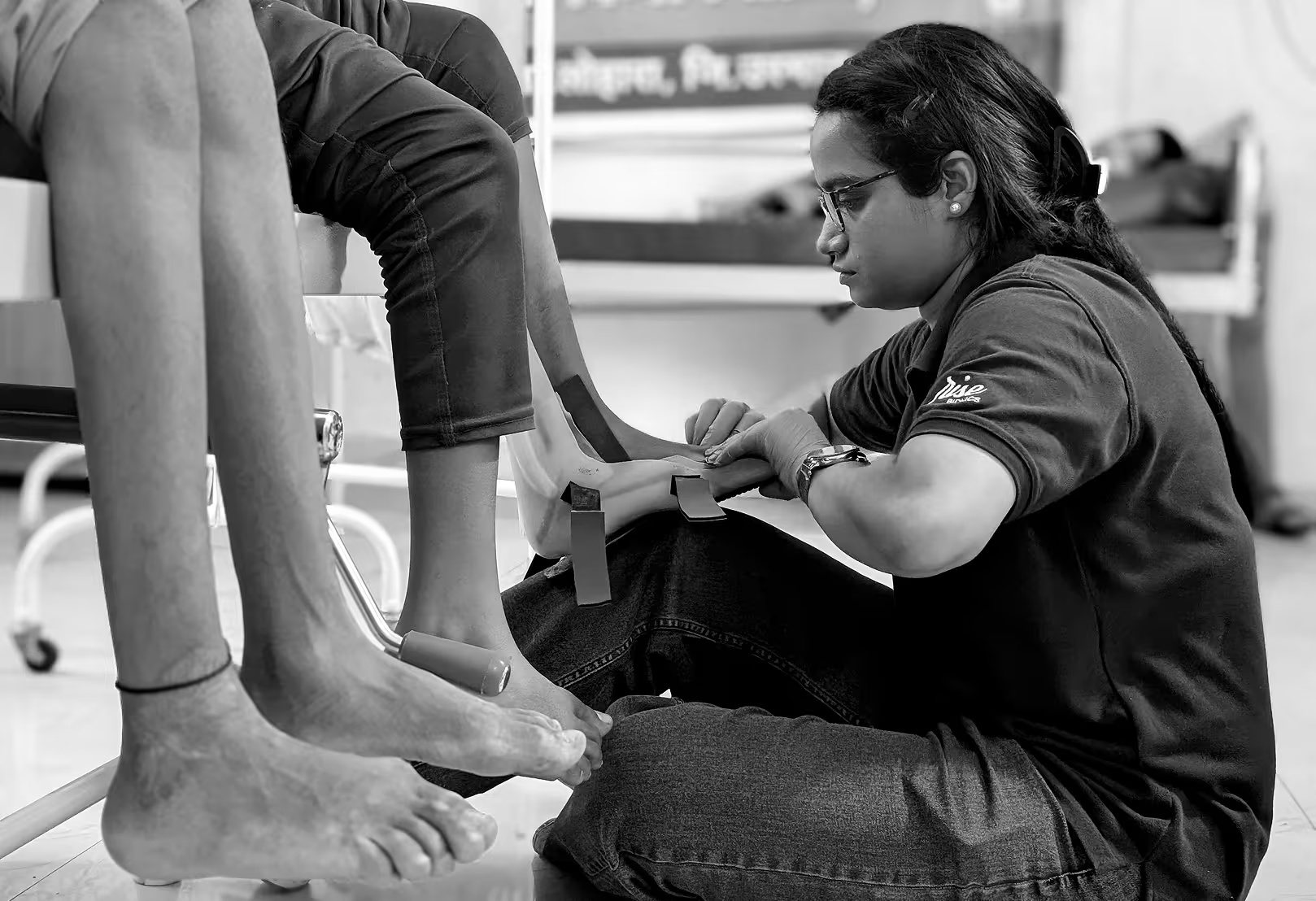
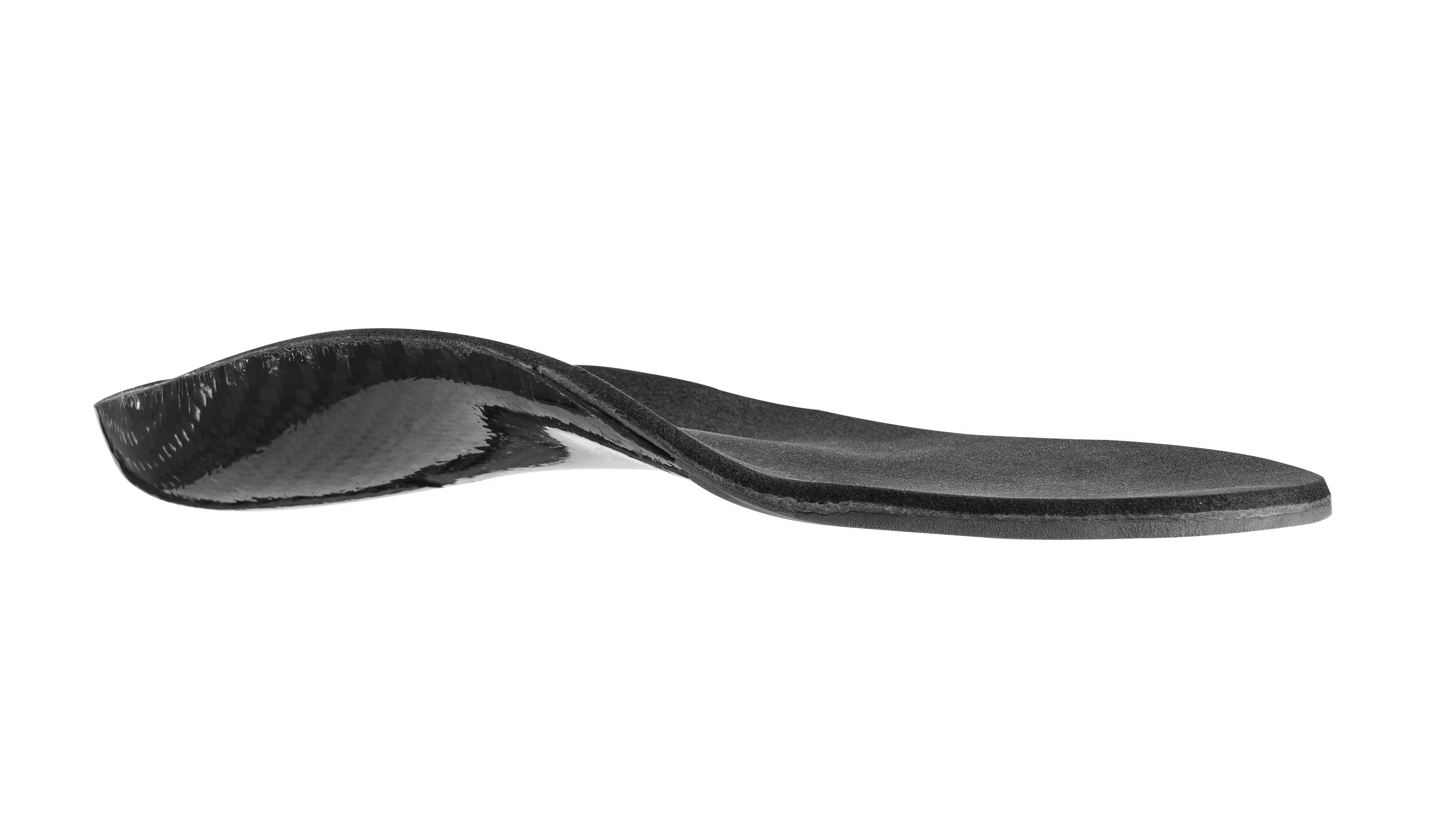
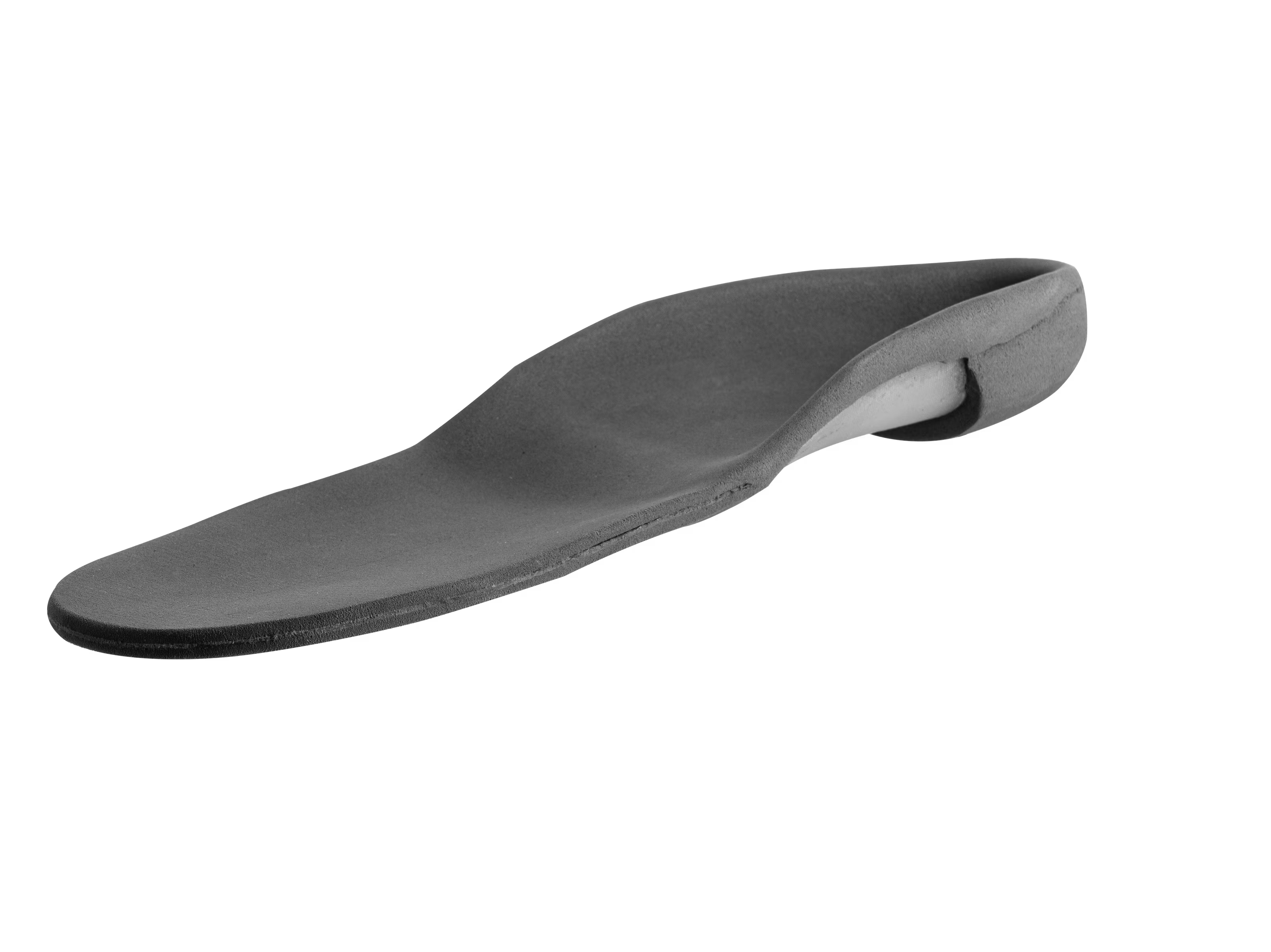
A running orthosis is a custom-fitted insert that goes inside your running shoe. It changes how your foot loads the ground with each stride.
Depending on its design, it can:
- Support the arch and reduce strain on the plantar fascia
- Control how much the ankle rolls inward with each step (overpronation)
- Redistribute pressure away from a painful or vulnerable area
- Improve the alignment of the foot, which affects load on the ankle, knee, and hip
What it will not do is fix a problem caused by weak muscles, poor training habits, or worn-out shoes.
An orthosis changes the environment your foot operates in. It does not strengthen anything or correct your running form. If those are contributing to your pain, orthotic support alone is not enough.
This is important to understand from the start. Orthoses work best as part of a broader plan, not as a quick fix.
Which Runners Are Most Likely to Benefit
Runners with a current overuse injury
Overuse injuries develop when load accumulates faster than the body can recover. The most common ones in runners include:
Plantar fasciitis. Pain at the bottom of the heel, usually worst first thing in the morning. The plantar fascia is a band of tissue that runs along the sole of the foot, and repeated impact can cause it to become inflamed. An orthosis that supports the arch and reduces strain on the fascia is one of the most consistently recommended approaches for this condition.
Shin splints. Pain along the inner edge of the shinbone, common in newer runners or those who have increased their training load too quickly. Orthoses can help by improving how the foot absorbs impact and reducing the load on the tibia.
Runner's knee (patellofemoral pain). Pain around or behind the kneecap. Because the foot's mechanics affect alignment all the way up the leg, correcting overpronation at the foot can reduce the stress that reaches the knee.
Achilles tendon pain. The Achilles connects the calf to the heel. Heel support and the right shoe compatibility can be particularly relevant here, though treatment should also address how the tendon is being loaded through training.
IT band syndrome. Pain on the outer side of the knee, common in distance runners. Like runner's knee, this can sometimes be linked to foot mechanics further down the chain.
Runners with structural foot issues
Flat feet, high arches, and significant overpronation can all create load patterns that predispose runners to injury. Orthoses are not just reactive in these cases. For runners with known structural issues, wearing the right device from the start can help prevent injury rather than just treating it after it happens.
Research has shown that runners who wore orthoses had a significantly reduced rate of exercise-related lower limb injury across the training period compared to those who did not.This points to orthoses having a role in injury prevention, not just treatment. Source: https://pmc.ncbi.nlm.nih.gov/articles/PMC9302029/
Runners returning after injury
A graduated return to running after injury sometimes includes orthoses as part of the plan, providing controlled support while the tissue rebuilds its tolerance to load.
What the Research Says
The evidence on orthoses for runners is generally positive, particularly for symptom management and injury prevention in those with specific foot mechanics or existing injuries.
The British Journal of Sports Medicine has published multiple studies examining the role of foot orthoses in runners, consistently finding that custom orthotic devices outperform off-the-shelf options when addressing specific biomechanical issues.
It is worth being honest about what the research also says: orthoses are not universally beneficial for all runners. The effect depends on the individual's foot mechanics, the quality of the device, and how it is used alongside other interventions like strength training and load management.
Custom Orthoses vs Off-the-Shelf Insoles
Off-the-shelf running insoles are widely available and relatively inexpensive. For mild overpronation or general cushioning, they can provide some benefit and are a reasonable starting point.
The limitation is that they are built for a standard foot, not yours. If your mechanics are more complex, if you have a specific injury, or if you have already tried off-the-shelf options without improvement, a custom orthotic is the appropriate next step.
At Rise Bionics, we craft custom running orthoses, made from a precise scan of your foot, assessed alongside your gait, and designed for the specific shoe you run in. For runners with persistent pain or recurring injuries, that precision matters.
A Few Things to Get Right
Start with an assessment, not a product. The right orthosis follows a clinical evaluation of your foot structure, gait, and injury history. Choosing one based on what worked for someone else is not a reliable approach.
Footwear matters as much as the orthosis. A neutral running shoe tends to work better with a corrective orthosis. A shoe with a lot of built-in motion control combined with a corrective insert can overcorrect and create new problems. Your clinical team can advise on compatibility.
Break them in gradually. Do not wear new orthoses for your longest run of the week straight away. Start with shorter, easier sessions and build up over two to four weeks. This gives your foot and lower leg muscles time to adjust.
Orthoses work alongside rehabilitation, not instead of it. Strengthening the muscles of the foot, calf, and hip is an important part of managing and preventing running injuries. Orthotic devices support this process. They do not replace it.
Our Approach at Rise Bionics
At Rise Bionics, every running orthosis starts with a thorough assessment of your foot structure, your gait, and what you are trying to achieve.
We design and manufacture custom devices in-house using 3D scanning and digital machining, which means the device is built precisely for your foot and your running needs.
Whether you are dealing with a current injury, trying to prevent one, or returning to running after time off, we can help you find the right solution.
Book a running orthosis assessment at Rise Bionics →
Frequently Asked Questions
Will orthoses make me a faster runner?
For most people, orthoses are about managing pain and reducing injury risk, not improving speed directly. That said, if foot pain or discomfort has been limiting your training, addressing it may allow you to train more consistently, which over time does improve performance.
How long before I notice a difference?
Some runners notice improved comfort within the first few sessions. For injury-related pain, meaningful improvement typically takes four to six weeks of consistent use, alongside any rehabilitation exercises the team recommends.
Can orthoses cause problems if I do not actually need them?
A poorly fitted or unnecessarily prescribed orthotic device can introduce new load patterns the body was not prepared for. This is one reason assessment matters. The goal is a device that addresses a specific issue, not one that is worn just in case.
Do I need to wear orthoses forever once I start?
Not necessarily. Some runners wear them during periods of high training load and do not need them at lower intensities. Others wear them consistently. It depends on your foot structure and what your body needs. Your clinical team will guide this based on your progress.
Can children and teenagers use orthoses for running?
Yes. Young runners can develop the same overuse injuries as adults, and orthoses can play a similar role in managing symptoms and supporting recovery. Paediatric devices are sized and designed differently. Ask our team about orthoses for young runners →

