


Insoles for Flat Feet
If you have flat feet, you've probably been recommended insoles at some point. Maybe by a doctor, a physiotherapist, a friend, or a shoe shop assistant.
But do they actually help? And if so, which kind, and for what?
The answer is: yes, they can. But only when they're the right type of insole for your specific foot structure and symptoms. Off-the-shelf insoles and custom insoles are not the same thing, and one isn't automatically better than the other.
Here's what you need to know.
What Flat Feet Actually Means
Flat feet (clinically called pes planus) is a complex deformity characterised by partial or complete collapse of the medial longitudinal arch, makes full or near-full contact with the ground during weight bearing leads to lost of typical curvature of arch between the heel and the ball of the foot.
Flat feet are extremely common: over 26% percent of the population has flat feet. (source: https://pmc.ncbi.nlm.nih.gov/articles/PMC5449819/)
Many people have them and experience no pain and no functional limitation.
But for some people, flat feet contribute to:
- Pain in the arch or heel after standing or walking for extended periods of time
- Ankle pain or instability
- Knee pain (the inward rolling of the foot, called overpronation, affects alignment up the leg)
- Lower back pain
- Fatigue in the feet and legs after standing or walking
What are Insoles (Foot Orthoses)
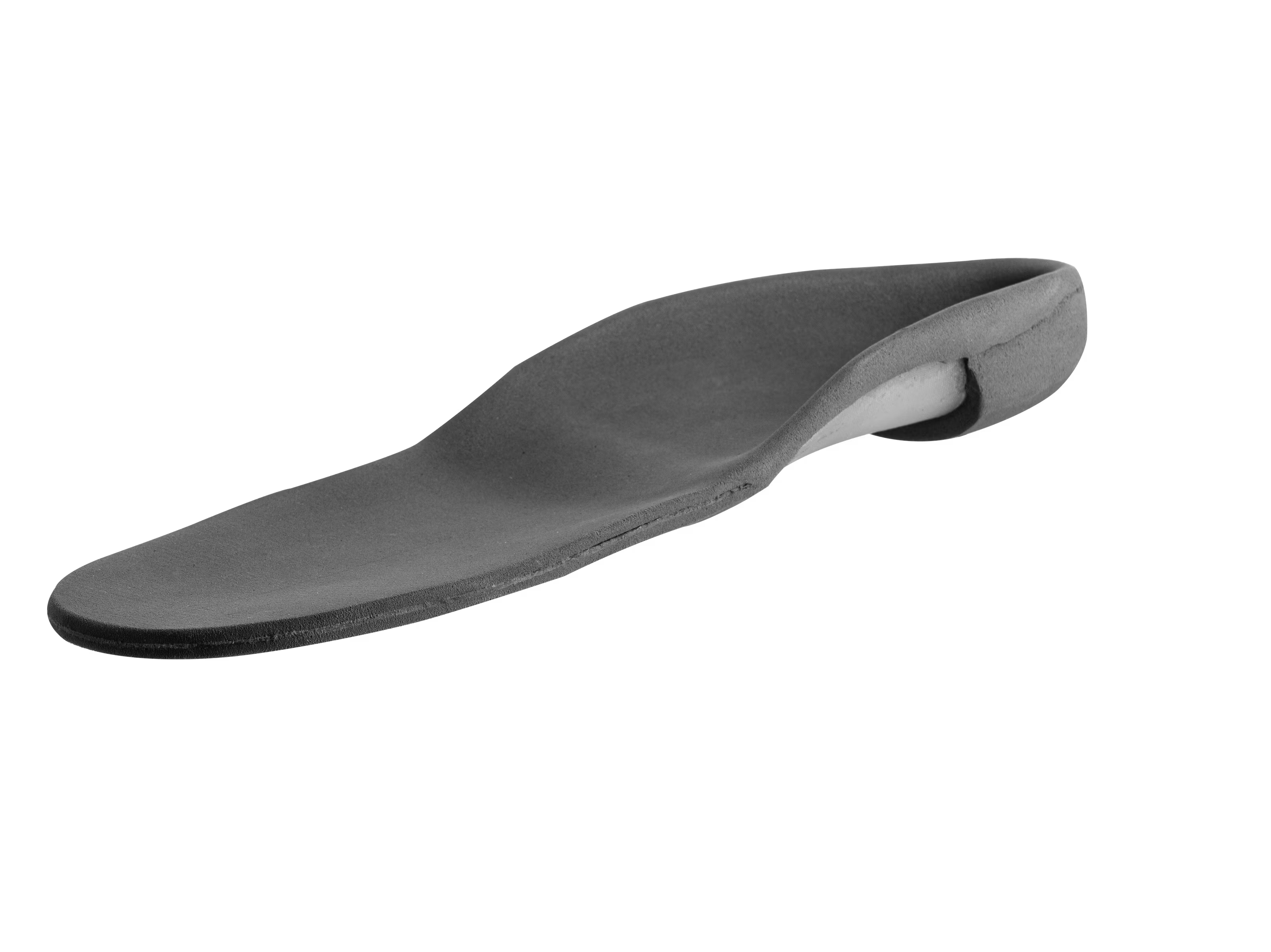
Foot orthoses are removable devices placed inside your footwear to support the foot, redistribute pressure, and improve how the foot moves during daily activities.
They can be prefabricated (ready-made) or custom-made, depending on your foot structure, symptoms, and activity level.
For people with flat feet, orthoses can provide arch support and help manage excessive pronation, which may reduce pain and improve comfort. They do not permanently change the structure of an adult foot, and how much they help depends on the individual.
A proper assessment is the best way to find out whether an orthosis is right for you and what type of support would work best.
Types of foot orthoses for flat feet
Corrective orthoses are designed to influence how the foot moves. For people with flexible flat feet, they help control excessive pronation and provide support during weight-bearing activities. The goal is to improve function and manage symptoms, not to permanently change the shape of the foot.
Accommodative orthoses are designed to redistribute pressure more evenly and reduce stress on specific areas of the foot. They work with the shape of the foot rather than trying to change it, and provide cushioning and pressure relief. They are especially useful for people with painful pressure areas, calluses, or conditions like diabetes where skin health is a concern.
Protective orthoses are designed to protect specific vulnerable areas of the foot from pressure, friction, or impact. They are often used after surgery or in situations where certain parts of the foot are at higher risk of injury. The design is tailored to the individual's foot structure and clinical needs.
In practice, most orthoses for flat feet combine elements of more than one category. What yours needs to do depends on your specific symptoms, foot structure, activity level, and health history.
Off-the-Shelf Insoles vs Custom : What's the Difference?
Off-the-shelf insoles are pre-made to a standard shape. They provide cushioning and some arch support, and for mild flat feet with mild symptoms, they can make a meaningful difference. They're widely available, low cost, and easy to try.
The limitation is that they're built for a general foot shape — not of yours size & shape. If your arch profile is unusual, if your overpronation is significant, or if your symptoms are persistent, a generic insole is unlikely to fully address the problem.
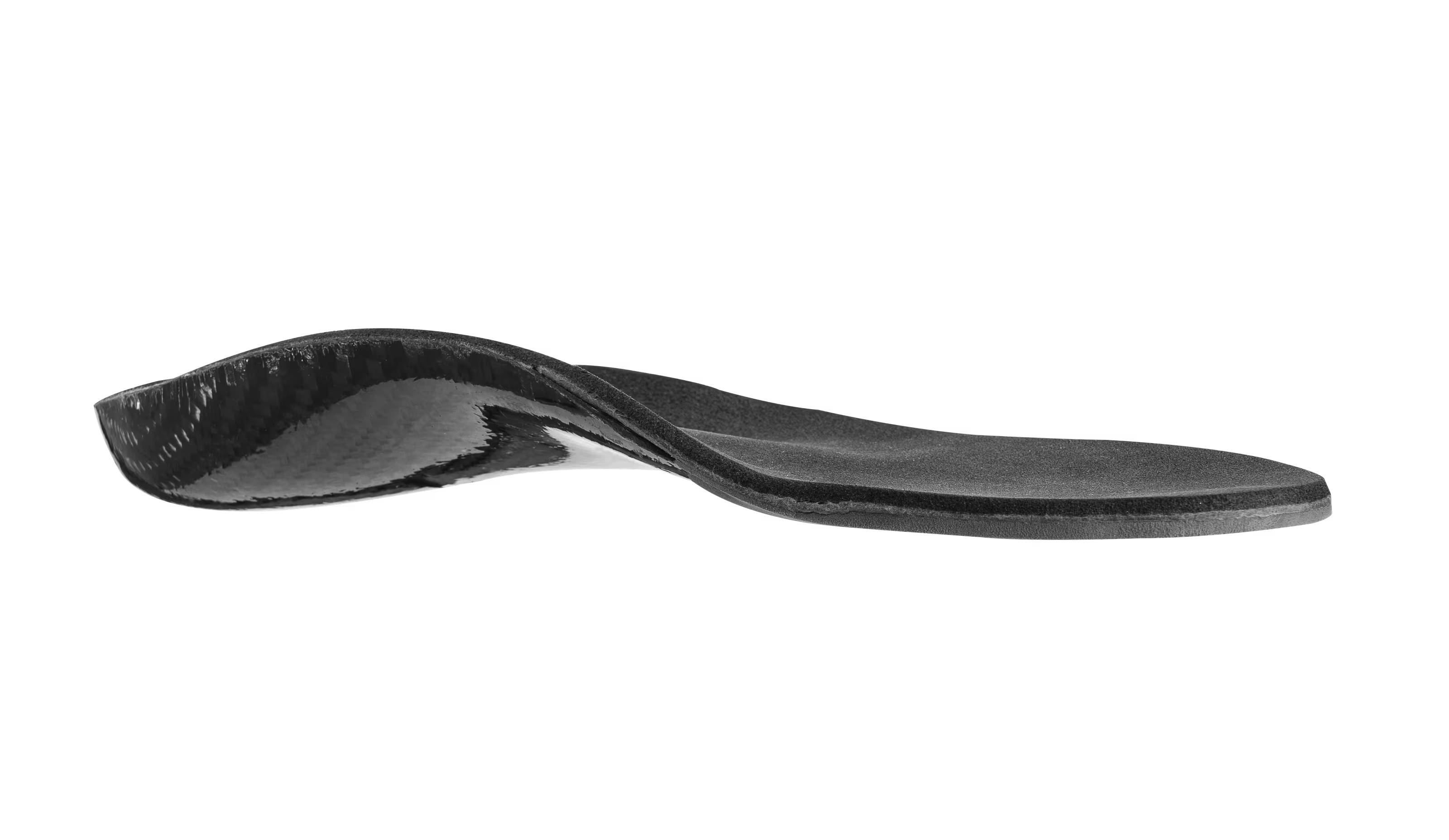
Custom insoles are made from a scan or cast of your specific foot. They're shaped to your anatomy, designed around your gait, and prescribed to address your particular combination of symptoms. The fit is precise because the device was made for you.
How Long Before They Help?
Most people notice some difference in comfort within the first 1 to 2 weeks of wearing insoles. Full adaptation where the foot is moving consistently with the insole’s support typically takes 4 to 6 weeks.
This isn't a passive process. Insoles work better when combined with appropriate footwear and, where there's muscle weakness or tightness contributing to your symptoms, targeted exercises. Your Orthotist can guide you on this.
If you've been wearing insoles for 6 to 8 weeks and your symptoms haven't changed, something in the approach needs to be reviewed — the fit, the design, or the underlying cause of your pain.
Our Approach at Rise Bionics
At Rise Bionics, we start with a full assessment. We look at your foot structure, your gait, your footwear, and your symptoms before any device is recommended.
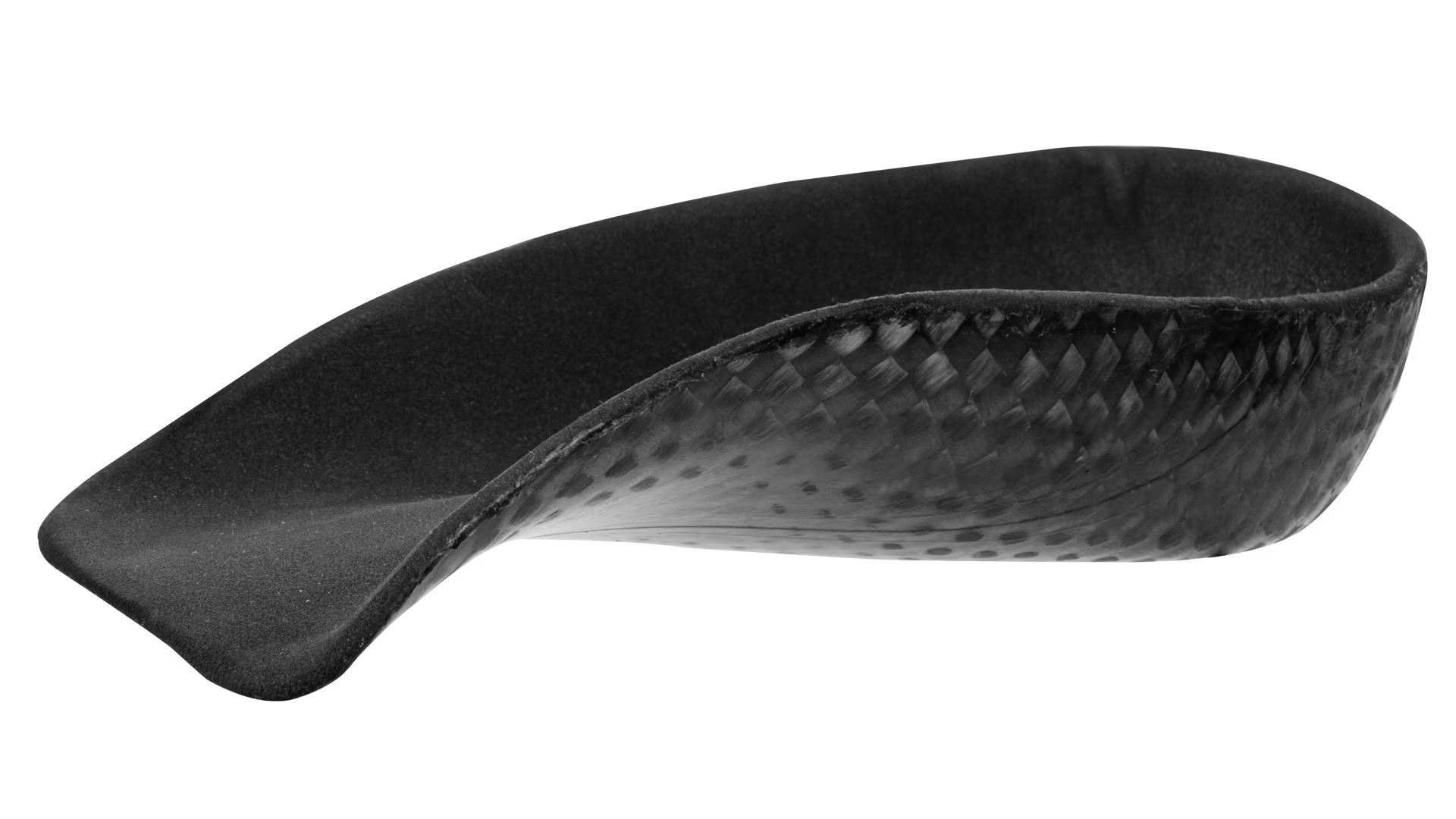
We use 3D scanning to capture the precise shape of your foot and digital fabrication to produce custom insoles that are built specifically for your feet.
Frequently Asked Questions
How do I know if my insoles are working?
A well-fitted insole should feel comfortable and may help reduce pain, fatigue, or pressure during standing and walking. You might also notice improved comfort or steadiness during everyday activities. Some adjustment is normal in the first few days. If you are experiencing persistent pain, numbness, or discomfort, the fit may need to be reviewed. Speak to your orthotist if something does not feel right.
How many hours a day should I wear my insoles?
If you are new to insoles, start gradually rather than wearing them all day from the beginning. Build up the time over a few days as your feet adjust. Your recommended wearing schedule may vary depending on your symptoms and the type of orthosis prescribed.
When should I stop using my insoles?
There is no fixed answer. It depends on why they were prescribed and how your feet respond over time. Some people use them mainly during activities that aggravate their symptoms. Others wear them regularly. If your symptoms have improved or the insoles are causing discomfort, speak to your orthotist rather than continuing to wear them as they are.
Can I use my insoles with sandals or floaters?
It depends on the insole and the footwear. Most insoles work best in shoes with enough depth, a stable sole, and room to hold the device securely. Many sandals and open footwear do not hold insoles in place. There are specialised orthotic sandals designed to accommodate foot orthoses if open footwear is important to you.
What type of footwear works best with insoles?
Shoes with sufficient depth and width, a stable sole, and a removable factory insole work best. Removing the original insole creates extra space for your orthosis without compressing the foot. Very flat, flexible, narrow, or tightly fitting shoes are generally not suitable. Your orthotist can advise on the right footwear for your specific insole.
How long does it take to build the arch?
Insoles do not build or permanently create an arch in an adult foot. What they do is support the foot and improve how it functions while you are standing and moving. Some people notice improved comfort quite quickly. Others need a few weeks to fully adjust. In children, the role of orthoses is different because the foot is still developing, and outcomes should be assessed based on each child's individual needs.
Are flat feet related to back pain?
They can be. When the foot pronates excessively, it changes alignment at the ankle, knee, and hip, which can place strain on the lower back over time. For some people, the right orthosis helps with this. It is not guaranteed, but it is worth discussing at your assessment.
What shoes should I wear with flat foot orthoses?
Look for shoes with a structured sole, a wide toe box, and enough depth to fit the orthosis comfortably. Flat, flexible soles or shoes that are already too snug will not work well. Your orthotist can point you in the right direction based on your specific insole.

